

Complex membership pricing: when standard platforms fail
The problem with standard billing platforms
Most billing platforms are built for straightforward pricing. A fixed monthly fee, maybe a few tiers, an annual option. That works for a lot of businesses.
Membership organisations are often not those businesses.
Multiple membership types, multiple tiers within those types, individual anniversary billing cycles, pro-rata adjustments for mid-year joiners, event fees layered on top, and special terms handled case by case. Standard platforms hit their limits quickly, and the gap gets filled by manual work.
Why pricing complexity matters more than most organisations realise
When billing can't be automated reliably, the consequences compound.
Someone has to calculate fees manually when a member joins mid-year. Someone has to recalculate when they upgrade tiers. Someone has to track individual renewal dates because the platform works on calendar cycles, not membership anniversaries. Someone has to reconcile what was billed against what was paid, and chase the difference.
That's not just an efficiency problem. It's a risk. Manual processes introduce errors. Errors damage member trust. And the administrative burden quietly limits how much the organisation can grow without adding headcount.
Getting pricing infrastructure right isn't a back-office detail. It's the operational foundation everything else depends on.
What complex membership pricing actually involves
Most membership organisations with genuine pricing complexity are dealing with some combination of the following:
Multiple membership types and tiers
- Different membership categories (individual, corporate, affiliate) each with their own fee structures
- Multiple tiers within each category, priced differently based on seniority, sector, or other criteria
- Fees that aren't simply additive, where the combination of type and tier produces a unique result
Individual billing cycles
- Each member renews on their own anniversary date, not a shared calendar date
- New members joining mid-year pay a pro-rata amount for the remainder of their first period
- Upgrades mid-cycle require recalculation and adjustment, not a simple swap
Layered fees
- Event fees that vary by membership status, with members paying less than non-members
- Optional extras that sit alongside the core membership fee
- Donation or gift aid components that need to be tracked separately for accounting purposes
Exception handling
- Honorary memberships or complimentary periods that sit outside the standard model
- Negotiated terms for specific members or corporate accounts
- Legacy pricing for long-standing members that doesn't map to the current tier structure
What this delivers when it's done properly
When pricing infrastructure is configured correctly, the manual work disappears.
- Each member's fee calculates automatically based on their specific combination of parameters
- Pro-rata amounts for mid-year joiners are calculated without intervention
- Tier upgrades trigger automatic recalculation and adjustment
- Individual anniversary renewal reminders go out at the right moment for each member
- Payment reconciliation happens automatically, feeding directly into accounting systems
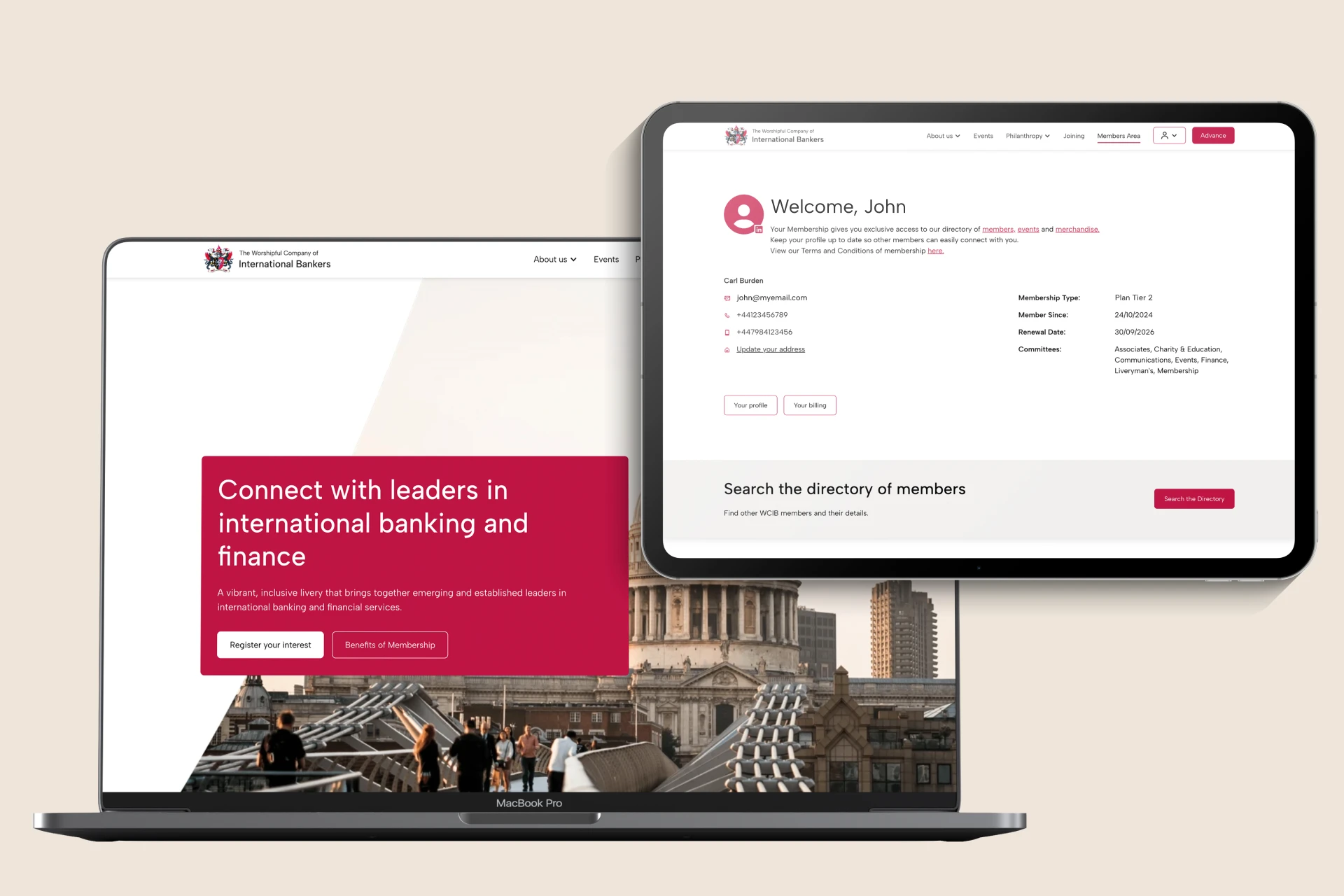
For the Worshipful Company of International Bankers (WCIB), a City of London livery company, this meant hundreds of individual billing cycles processing correctly without manual calculation. Zero payment processing errors. And a 90% reduction in admin time across billing, reconciliation, and CRM management combined.
How Outseta handles what standard platforms can't
Bespoke billing logic, not template constraints
Standard billing platforms offer configuration within fixed parameters. Outseta's billing infrastructure is flexible enough to accommodate genuinely bespoke pricing logic.
That means the system can be configured to understand that tier plus type plus duration plus special terms equals a specific member's individual fee, and calculate it correctly every time without human involvement.
Anniversary-based renewal, not calendar-based
Most billing platforms process renewals on a shared cycle. Outseta processes renewals on each member's individual anniversary date.
That distinction matters significantly in practice. It means renewal reminders are relevant and timely for each member rather than generic and mistimed. It means cash flow is spread across the year rather than concentrated. And it means the organisation isn't chasing a wave of renewals at one point in the calendar.
Accounting integration that closes the loop
Correct billing is only half the problem. The other half is making sure billing events translate accurately into accounting records.
For the WCIB, every billing event in Outseta triggers a corresponding transaction in Xero via Google Cloud Functions. Subscription creation produces an invoice. Tier upgrades produce a credit note and a new invoice. Renewals produce renewal invoices. Payments are reconciled automatically.
The result is accurate financial records generated directly from the source of truth, with no manual entry and no reconciliation work.
Exception handling without breaking the system
Real membership organisations deal with exceptions. Honorary members, negotiated corporate terms, legacy pricing, complimentary periods. A rigid billing system forces those exceptions into workarounds that create their own problems.
Properly configured, Outseta accommodates off-plan billing case by case without disrupting the automated processes handling everything else. Exceptions stay exceptional rather than becoming the norm.
When to address pricing infrastructure
The right time to address pricing infrastructure is before complexity compounds further, not after it's already causing problems.
Organisations that build the right billing foundation early find that growth doesn't create an administrative crisis. New members onboard cleanly. Renewals process without manual intervention. The finance team has accurate records without spending hours on reconciliation.
Organisations that defer it find the opposite. Manual processes that worked at one membership size become unmanageable at the next. Errors accumulate. Staff time gets consumed by administration that should be automated.
If your current billing setup requires manual calculation, manual reconciliation, or manual chasing, the platform isn't serving your membership model. It's limiting it.
Ready to talk through what your pricing model actually requires?
Book a discovery call and we'll map your membership pricing against what's genuinely possible to automate.


What our clients say












Insights that drive growth
Practical guidance for ambitious businesses ready to scale


FAQs
Performance monitoring, security updates, content changes, SEO and GSO improvements, and proactive optimisation recommendations based on your business goals. Our retainer support transforms your website from a static asset into a continuously improving lead generation machine. Monthly performance reviews identify opportunities before they become problems.
Typically 4-6 months from initial strategy to launch. This timeline respects your business demands whilst ensuring we deliver results that justify your investment. We've designed our streamlined collaborative methodology to get maximum input with minimum disruption to your day-to-day operations.
Our typical project investment starts at £130,000 for complete solutions. This reflects the enterprise-level quality and complexity required for businesses of your scale. We also offer ongoing retainer support from £2500 per month for existing clients.
We're Webflow experts without egos, collaborative partners (not just suppliers), and proactive problem solvers who maximise opportunities. With 23 years' experience and 180 websites delivered, we know what actually drives conversions for ambitious businesses. We focus exclusively on established UK businesses who value quality partnerships.
We specialise in ambitious, privately held B2B and B2C serving companies that are established and scaling. Our focus is on websites for established companies who understand their website as a business asset, not a cost centre.